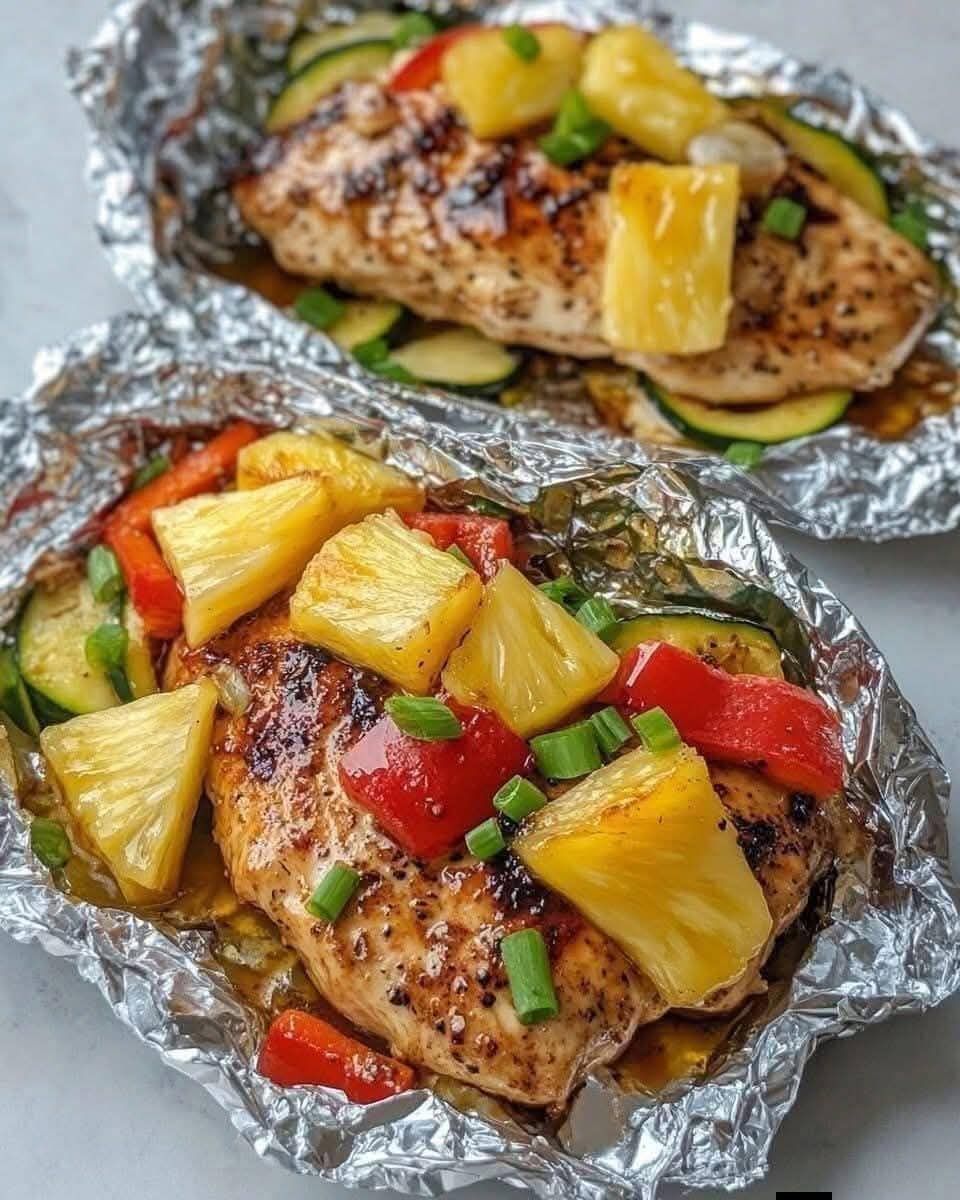
Teriyaki Pineapple Chicken – The Ultimate Guide
Introduction & Background
Teriyaki Pineapple Chicken is a modern fusion dish that blends Japanese-inspired teriyaki cooking with tropical Hawaiian-style flavors. It combines the deep savory sweetness of teriyaki sauce with the bright, juicy acidity of pineapple, creating a balance that feels both comforting and refreshing at the same time.
The word “teriyaki” comes from Japanese cuisine, where “teri” refers to the glossy shine created by the sauce and “yaki” refers to grilling or pan-cooking. Traditionally, teriyaki sauce was a simple mixture of soy sauce, mirin, and sugar, used to glaze fish or meat while it cooked. Over time, especially in Western and Hawaiian fusion cuisine, the sauce evolved into richer, thicker versions with added garlic, ginger, and sweeteners.
Pineapple became a natural addition to this style of cooking because of its strong tropical identity and its chemical properties. Pineapple contains natural enzymes like bromelain, which help tenderize meat while also adding a sweet and tangy flavor profile. This makes it a perfect pairing with soy-based sauces, which are salty and umami-rich.
Teriyaki Pineapple Chicken became especially popular in Hawaiian plate lunches and later in global Asian-fusion cuisine. It represents a style of cooking that is bold yet balanced, sweet yet savory, and simple yet deeply flavorful.
What makes this dish so appealing is not just the taste, but the contrast. You get sticky, caramelized sauce coating tender chicken, combined with juicy pineapple chunks that burst with freshness in every bite. It is the kind of dish that feels like comfort food but still has a bright, tropical edge.
Chef’s Philosophy & What Makes This Version Exceptional
The success of Teriyaki Pineapple Chicken depends on balance, layering, and controlled caramelization.
The philosophy behind this version is built on three core principles: flavor layering, moisture control, and glaze development.
First, flavor layering means building taste at every stage instead of relying only on the final sauce. The chicken is seasoned before cooking, the sauce is built separately, and the pineapple is integrated at the right moment to preserve its texture and brightness.
Second, moisture control is essential because pineapple naturally releases juice, and chicken releases its own moisture during cooking. If not managed properly, the dish can become watery instead of glossy and rich. The goal is to reduce the sauce into a thick glaze that clings to the chicken.
Third, glaze development is the heart of this dish. The teriyaki sauce must reduce slowly so that sugar, soy sauce, and aromatics caramelize into a sticky, shiny coating. This is what gives the dish its signature “restaurant-style” finish.
The key difference between an average version and an exceptional one lies in timing. Pineapple should not be overcooked, the sauce should not be rushed, and the chicken should be properly seared before glazing. When these steps are respected, the result is a dish with depth, gloss, and complexity.
Difficulty, Timing & Yield
- Difficulty Level: Medium
- Preparation Time: 20–25 minutes
- Cooking Time: 35–45 minutes
- Total Time: Approximately 1 hour 10 minutes
- Servings: 4–6 portions
Ingredients
For the Chicken
- 700g boneless chicken thighs or breast, cut into bite-sized pieces
- 1 teaspoon salt
- 1/2 teaspoon black pepper
- 1 teaspoon garlic powder
- 1 tablespoon oil
For the Teriyaki Pineapple Sauce
- 1/2 cup soy sauce
- 1/3 cup pineapple juice (fresh or canned)
- 3 tablespoons brown sugar or honey
- 3 cloves garlic, minced
- 1 teaspoon grated ginger
- 1 tablespoon rice vinegar or white vinegar
- 1 tablespoon cornstarch mixed with 2 tablespoons water (slurry for thickening)
For the Pineapple Component
- 1 to 1.5 cups pineapple chunks (fresh preferred, canned optional)
Optional Garnish
- Sesame seeds
- Green onions
Step-by-Step Instructions
Step 1: Preparing the Chicken
Start by cutting the chicken into evenly sized pieces so they cook uniformly. Pat them dry using paper towels to remove excess moisture, which helps achieve better browning.
Season the chicken with salt, black pepper, and garlic powder. Mix well so the seasoning coats all pieces evenly.
Let the chicken rest for 10–15 minutes to absorb flavor before cooking.
Step 2: Searing the Chicken
Heat oil in a large pan over medium-high heat.
Add the chicken pieces in a single layer without overcrowding the pan. This ensures proper browning instead of steaming.
Cook for 5–7 minutes on each side until the chicken develops a golden-brown exterior. The chicken does not need to be fully cooked at this stage, as it will finish cooking in the sauce.
Remove the chicken and set aside.
Step 3: Building the Teriyaki Sauce Base
In the same pan, reduce heat to medium.
Add garlic and ginger and sauté for about 30–60 seconds until fragrant.
Pour in soy sauce, pineapple juice, vinegar, and brown sugar or honey.
Stir well to combine all ingredients.
Let the mixture simmer for 3–5 minutes so the flavors start to blend and slightly reduce.
Step 4: Thickening the Sauce
Slowly add the cornstarch slurry while stirring continuously.
The sauce will begin to thicken and turn glossy.
Continue simmering for 2–3 minutes until it reaches a smooth, syrup-like consistency that coats the back of a spoon.
Step 5: Adding Chicken Back to the Sauce
Return the seared chicken to the pan.
Stir well so each piece is coated in the teriyaki glaze.
Let it simmer for 10–12 minutes on low heat so the chicken finishes cooking and absorbs the sauce.
Step 6: Adding Pineapple
Add pineapple chunks during the last 5–7 minutes of cooking.
This timing is important. Adding them too early will cause them to break down completely and lose texture.
The pineapple should stay slightly firm while absorbing some of the sauce flavor.
Step 7: Final Glaze Reduction
Allow the sauce to reduce slightly until it becomes thick, sticky, and glossy.
Stir occasionally to prevent sticking.
The final texture should cling to the chicken and pineapple without being watery.
Step 8: Resting Before Serving
Turn off the heat and let the dish rest for 5 minutes.
This allows the glaze to settle and thicken slightly.
Serving Suggestions
Teriyaki Pineapple Chicken pairs beautifully with:
- Steamed white rice
- Fried rice
- Coconut rice
- Noodles
- Stir-fried vegetables
For presentation, garnish with sesame seeds and chopped green onions.
Pro Tips for Perfection
- Always sear chicken first for deeper flavor
- Use fresh pineapple if possible for best taste
- Do not over-reduce sauce too early
- Add pineapple late to preserve texture
- Adjust sweetness based on preference
Common Mistakes to Avoid
- Overcooking pineapple until mushy
- Skipping chicken searing step
- Making sauce too watery or too thick
- Burning garlic during sautéing
- Overcrowding the pan
Variations You Can Try
- Spicy version with chili flakes or sriracha
- Grilled version for smoky flavor
- Air fryer chicken with teriyaki glaze
- Vegetarian version with tofu or paneer
- Extra citrus version with orange juice
Understanding the Science Behind the Dish
Teriyaki glaze works through reduction and caramelization. Soy sauce provides umami and salt, sugar provides sweetness and caramelization, and pineapple juice adds acidity and natural enzymes that tenderize the chicken.
Cornstarch thickens the sauce by forming a gel-like structure when heated, creating the glossy coating characteristic of teriyaki dishes.
The balance of heat and timing controls whether the sauce remains thin or becomes a sticky glaze.
Storage & Reheating
Store in an airtight container in the refrigerator for up to 3 days.
Reheat in a pan over low heat with a splash of water to loosen the sauce.
Avoid microwaving for too long, as it can dry out the chicken.
Final Thoughts
Teriyaki Pineapple Chicken is a perfect example of fusion cooking done right. It brings together sweet, savory, tangy, and umami flavors in a single dish that feels both comforting and vibrant.
When cooked properly, it delivers juicy chicken coated in a glossy teriyaki glaze with bursts of fresh pineapple in every bite.
It is simple in structure but rich in flavor, making it a dish that works equally well for quick dinners or impressive meals for guests.
Leave a Reply